







Search Results for: Shanghai flagship store
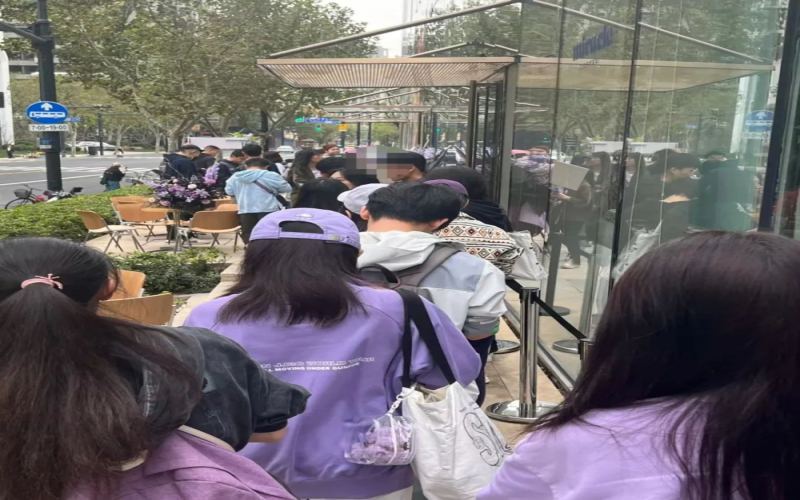
JJ Lin's Miracle Coffee Shanghai flagship store opens, fans line up for hours
Recently, Miracle Coffee, the coffee brand founded by JJ Lin, opened a flagship store at Shanghai Lakeside Plaza, drawing long queues of fans. This marks the brand's return to Shanghai after two years, following its 2019 pop-up store. The store has imposed purchase limits, but order processing speed is limited, and consumers still have to wait several hours. In recent years, Miracle Coffee has accelerated the rollout of permanent stores in multiple Chinese cities and is rumored to be entering more cities. Front Street Coffee will continue to follow developments in the specialty coffee market and bring coffee lovers more brand news. [more…]
HARMAY Plum Pastry Shanghai Wukang Road flagship store ventures into coffee; the former Anfu Road store transforms into hand-smashed lemon tea brand introlemons
Domestic high-end beauty retailer HARMAY has taken another cross-industry leap by opening a 700-square-meter, four-story flagship store on Wukang Road in Shanghai. The ground floor features a coffee counter by Marionbar, offering black coffee, milk coffee, chocolate drinks, and draft beer. Meanwhile, its first store on Anfu Road, which opened in 2017, has closed; the original site will be transformed into the national flagship store for its hand-shaken lemon tea brand, introlemons. HARMAY had previously sought to acquire a coffee brand and may further expand into coffee chains in the future. As of now, HARMAY has eight stores nationwide and plans to expand to cities such as Xi'an and Wuhan. Whether this cross-industry move can bring long-term value to the brand remains to be tested by the market. [more…]
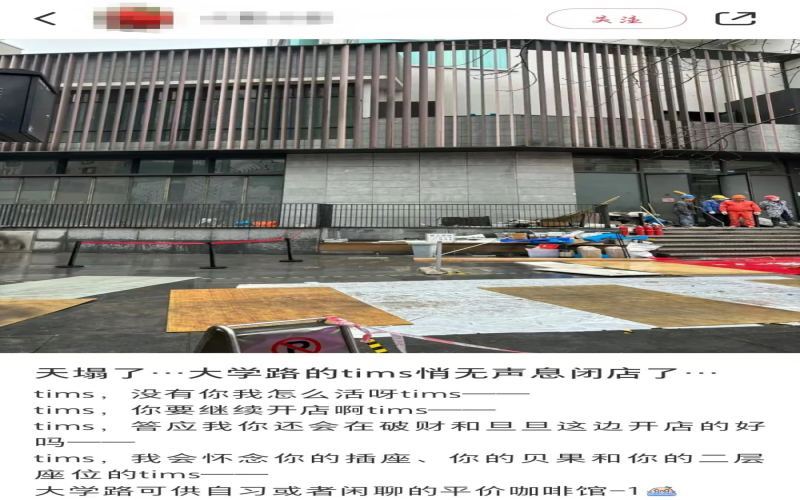
The Tims flagship store on Shanghai University Road quietly closes, marking the end of a five-year landmark of youthful memories.
Recently, students near Shanghai's University Road discovered that the Tims Coffee University Road store, which had accompanied them for over five years, was dismantling its signage and quietly closing down. When it opened in 2019, this store was the largest location Tims had in Shanghai after entering the city. Comprising a two-story North American-style wooden cabin with a total area exceeding 400 square meters, it was not only a landmark meeting spot for nearby residents but also a carrier of youthful memories for many university students who studied, dated, and prepared for exams off campus. Its sudden closure has sparked widespread attention and regret, as well as various speculations about the reasons behind it. This article will revisit the unique features of this store, present the real reactions of customers, and sort out the possible reasons for its closure. [more…]
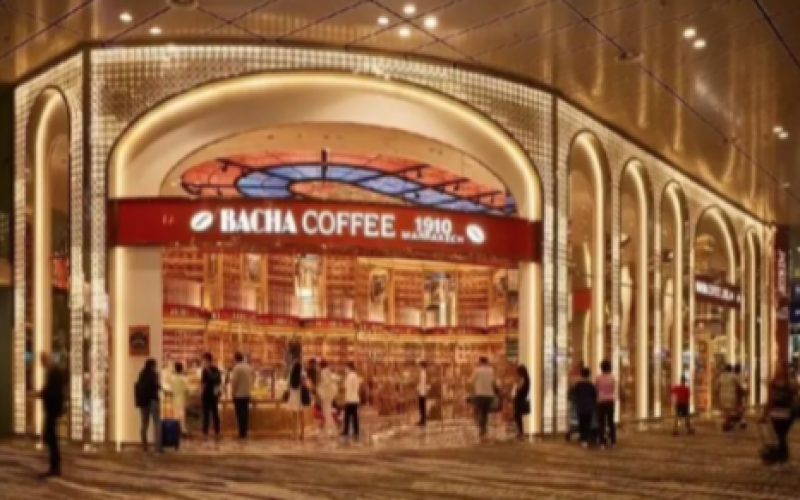
Singapore luxury coffee brand Bacha Coffee plans to enter the Beijing and Shanghai markets, expanding its footprint in China
Singapore luxury coffee brand Bacha Coffee recently announced that it will accelerate its international expansion over the next three years, with plans to open physical stores in Beijing and Shanghai. Originating from Morocco with a century-long history, this brand is hailed as the "Hermès of coffee" and is renowned for its 100% Arabica coffee beans and more than 200 coffee choices. Its products are priced up to three times higher than Starbucks, with the most expensive coffee beans selling for over 6,000 RMB per 100 grams. The brand has already opened a Tmall flagship store in China and will officially launch physical stores next year. [more…]
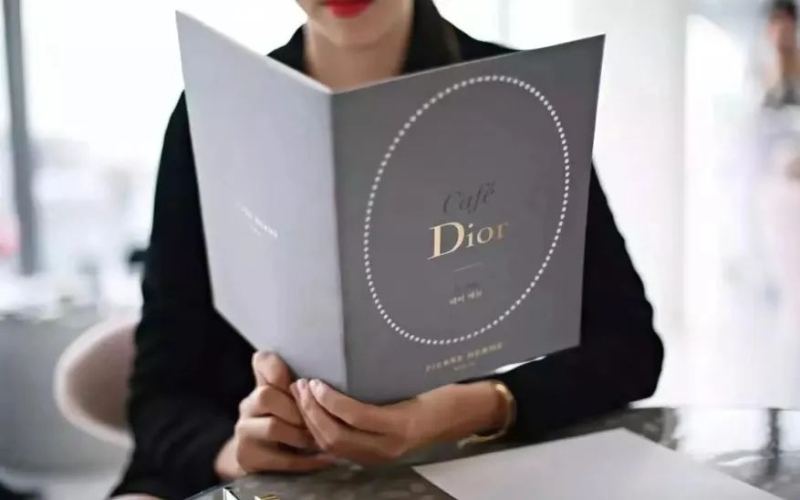
Dior's first mainland China store café opens, but goes viral for inviting a master to worship the God of Wealth—why are luxury brands moving into coffee?
It is no longer uncommon for luxury brands to venture into the coffee business. When Taikoo Li Qiantan in Shanghai opened last year, it was announced that the first Dior café in mainland China would move in, but the store had been operating as a pop-up, and after two theme changes, the coffee shop never materialized. It was not until July 31 this year, after a third theme change, that this Dior pop-up officially upgraded to a flagship store, and the first Dior café in mainland China opened along with it. Surprisingly, however, what truly sparked heated discussion among netizens was not the store design or the exquisite afternoon tea, but the scene of inviting a master to worship the God of Wealth at the opening ceremony. This article will take you through the whole story and explore the business logic behind luxury brands opening coffee shops. [more…]

ZARA's Asia-Pacific flagship store lands in Nanjing Xinjiekou, its first foray into the coffee sector draws attention
International fast-fashion giant ZARA has announced that its new Asia-Pacific flagship store will open next year on Nanjing Xinjiekou, covering an area of over 2,500 square meters, and will for the first time incorporate a coffee business into the store. This move is not an isolated case. In recent years, luxury brands such as Tiffany, Gucci, and Louis Vuitton have all dipped their toes into coffee marketing, attempting to close the distance with consumers through immersive experiences. Is coffee a powerful tool for enhancing brand loyalty, or has it merely become a gimmick for photo opportunities? Consumers have mixed opinions on this. This article will outline ZARA's coffee layout, review cases of major brands venturing into coffee, and explore the business logic and market feedback behind this trend. [more…]
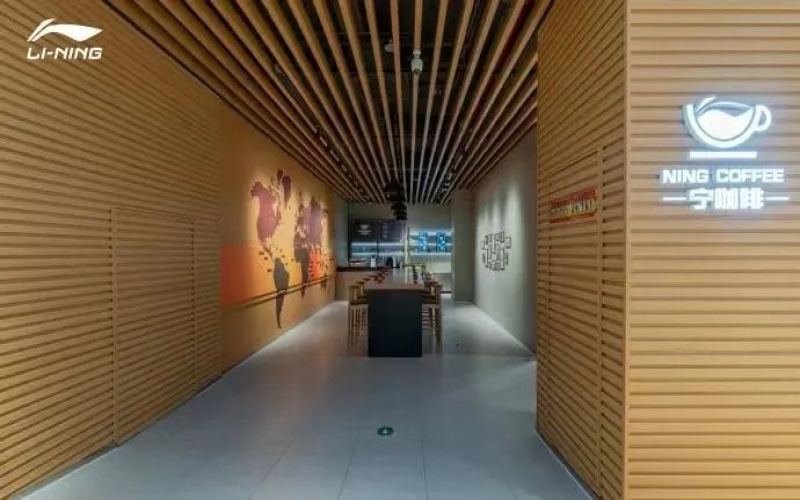
Xtep's cross-industry coffee debut store lands in Chengdu—why is the signboard not "Te Coffee" but COSINE KASHU?
Another case of a sports brand entering the coffee arena. Following Li-Ning's launch of Ning Coffee, Xtep, which has over 6,251 offline stores, has also filed trademark applications for "T Coffee" and "XTEP COFFEE." Recently, Xtep's first coffee shop opened within its flagship store in the Chunxi Road commercial district of Chengdu. Surprisingly, the store sign does not display "T Coffee" but instead shows "COSINE COFFEE." It turns out this is a collaborative store created by Xtep and COSINE, a trendy beverage brand founded in Shanghai in 2021. Rather than opting for a self-operated model, Xtep chose collaboration to reduce the risks of cross-industry expansion and test the waters. Whether this store is an attempt by Xtep to develop a side business or merely a supporting facility to enhance the in-store consumer experience, the company has not yet given a clear response. [more…]
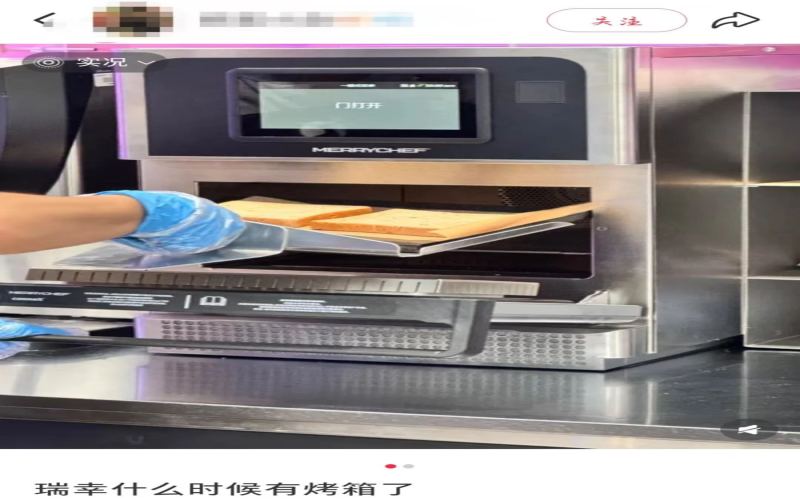
Individual Luckin Coffee stores adding ovens sparks employee discussion, nationwide rollout may be constrained by licensing requirements
Chain coffee brands continue to enrich their bakery product lines. Luckin Coffee was recently reported to have installed ovens at a store in Shanghai, capable of heating light meals such as sandwiches. Once the news broke, consumers widely applauded and looked forward to a nationwide rollout; but frontline employees pushed back strongly, worried about cleaning burdens, service efficiency, and customized requests. Some level-headed voices pointed out that currently only special store formats such as flagship stores have the conditions for heating, and a nationwide rollout is still restricted by food processing qualifications. This article will walk you through the full picture of the incident and the voices from all sides. [more…]
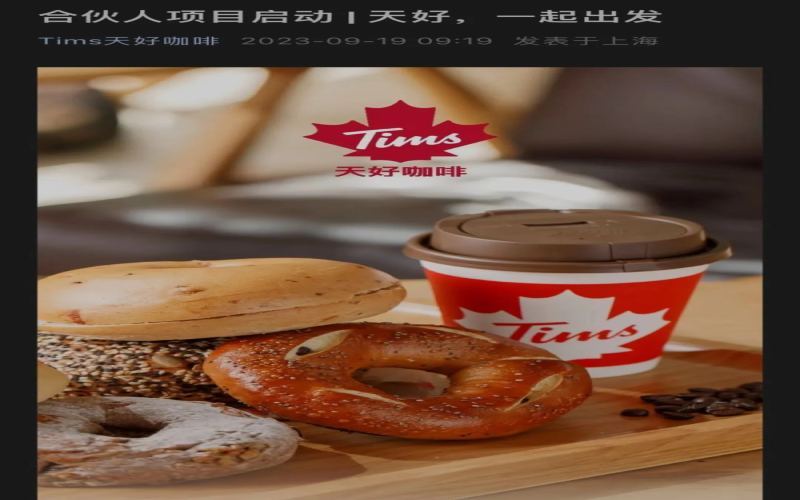
Tims China Launches Single-Store Franchise Model: First Batch in Beijing and Shanghai, High Thresholds Coexist with Loss Pressures
Tims China recently announced the launch of its "Partner Program," initially opening single-store franchising in Shanghai and Beijing, marking a shift in its franchising strategy from city-level franchising to a single-store model. However, the startup capital of over 600,000 yuan, its persistently loss-making financial performance, and the fiercely competitive market environment have sparked widespread discussion about this move. This article sorts through Tims' franchising details, cost structure, market background, and consumer feedback, exploring whether, amid intensifying competition in the coffee sector, opening single-store franchising is its "big move" to accelerate expansion or a reluctant response to difficult circumstances. [more…]
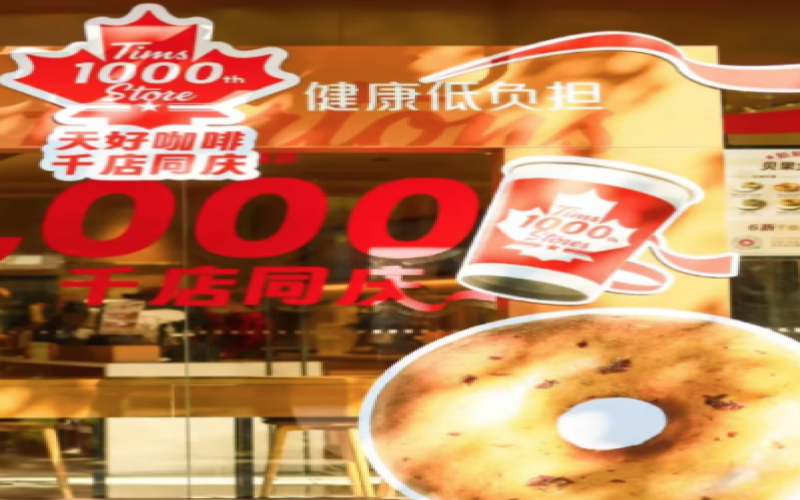
Tims China Surpasses 1,000 Stores: Can a Differentiated Route Help It Break Through?
Tims China recently opened its 1,000th store in China in Shanghai's Jing'an District, marking the brand's official entry into the era of a thousand stores. Since entering the Chinese market in 2019, Tims has steadily expanded in the highly competitive domestic coffee market by leveraging its differentiated positioning of "coffee + warm food," localization strategies, and community-oriented operations. As of June 2024, it has entered 71 cities, with 907 stores and 21.4 million members. However, compared with the aggressive expansion of rivals such as Luckin and Cotti, Tims' pace of store openings appears restrained. Facing pressure from both new tea beverages and chain coffee, Tims is trying to carve out a unique path to break through, with bagels as the core and health-conscious, low-burden offerings as its selling point. [more…]
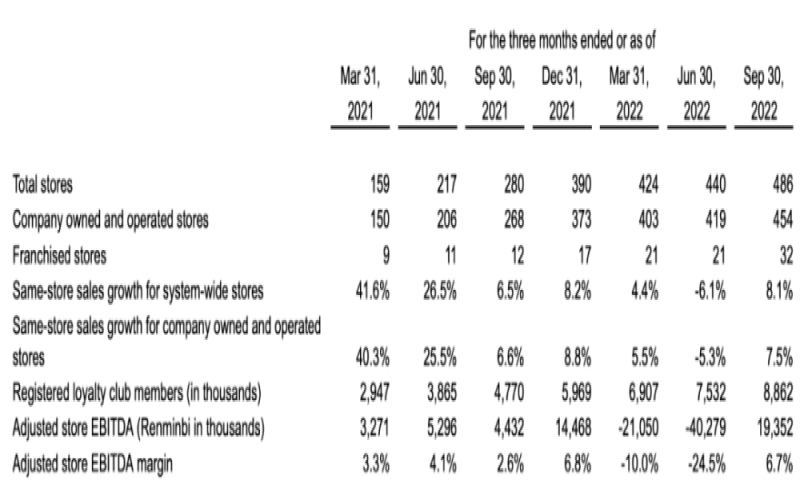
Tims China's First Quarterly Report After Going Public: Net Revenue of 306 Million, Dual-Track Advancement in Store Expansion and Ready-to-Drink Layout
After listing on Nasdaq, Tims China delivered its first quarterly report card, with total net revenue in the third quarter reaching 306 million yuan, up nearly 70% year on year and a record high for a single quarter. On the store front, by the end of September it had covered 27 cities nationwide, with 486 net stores, and in October it welcomed its 500th store. At the same time, Tims China continued to advance cooperation with partners such as EasyJoy Coffee and Hema, stepping up its push into the ready-to-drink coffee segment. This article sorts through the key financial data, store expansion pace, store format structure and management's outlook for the future, giving you a quick look at the latest moves of this coffee chain brand in the Chinese market. [more…]
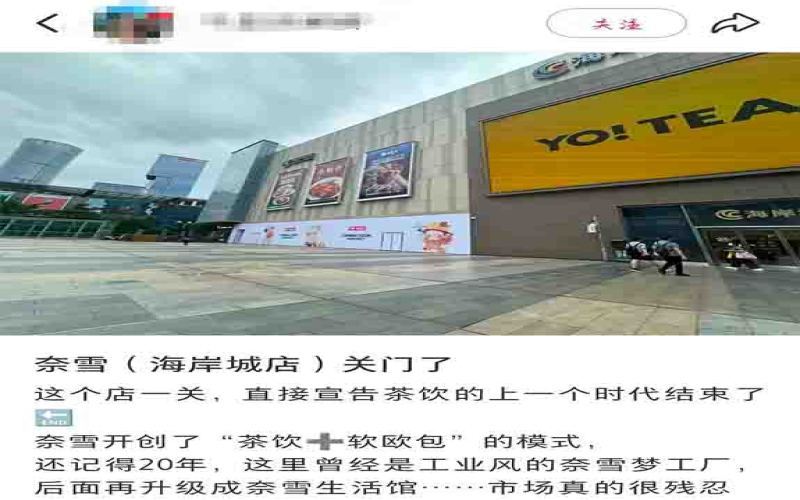
Nayuki's flagship store at Shenzhen Coastal City closes, Pop Mart takes over the original site, drawing attention
The largest flagship store "Nayuki Life," created by Nayuki in Shenzhen Coastal City, has recently been obscured by hoarding, confirming that it has quietly withdrawn, and the original site will be taken over by Pop Mart. The store was formerly the world's largest flagship store "Nayuki Dream Factory," launched in 2019 at a cost of 20 million yuan, covering 1,000 square meters and offering a diverse range of products including baked goods, tea drinks, coffee, craft beer, Western cuisine, and retail. After the Dream Factory closed in May 2022, "Nayuki Life" debuted in August of the same year with a new model. Although it retained a bookstore and coffee brand collaboration, it canceled food and alcohol services. Nearby residents reported that the store did brisk business on weekdays and was packed on holidays, and its sudden closure has surprised many. Official customer service responded that the lease expired and was not renewed, and there is no news yet on whether a store will be opened at another location. Meanwhile, reports of Nayuki store closures have also emerged in Guangzhou, Zhuhai, Nanchang, and other places. [more…]
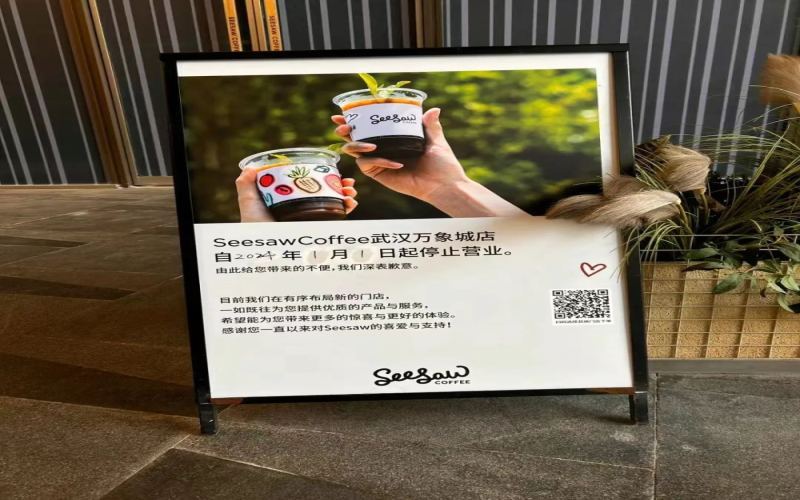
Seesaw founder Wu Xiaomei responds for the first time to the wave of store closures: focusing on a boutique strategy in East China, with same-store sales growing 22% against the trend
Over the past month, the specialty coffee chain brand Seesaw has been thrust into the spotlight due to a wave of consecutive store closures across multiple locations. From Beijing, Shanghai, and Hangzhou to Chongqing and Wuhan, news of closures has continued to spread, sparking widespread speculation about the company's operating condition. In response, Seesaw founder Wu Xiaomei recently gave an official response to Jiemian News, acknowledging that the brand is undergoing strategic adjustments and has closed some stores that do not fit the "three no's" criteria—those that do not align with the regional focus strategy, brand positioning, and store model—and revealed that same-store sales growth over the past three years reached 22%. At a time when low-priced beverages dominate the market and competition is increasingly fierce, can this brand, which insists on a specialty coffee route, hold its ground with a strategy focused on core commercial districts in East China? This article sorts out the sequence of events and the official response, and includes industry observations such as those from Front Street Coffee. [more…]

Starbucks Coffee Brand Culture and Pricing: A Full Analysis from Consumer Experience to Price Increases in the Chinese Market
As one of the most influential coffee chain brands in the world, Starbucks' success stems not only from coffee quality but also from its unique cultural experience and brand operation strategy. This article comprehensively reviews Starbucks' historical origins, brand culture, coffee flavors, service innovation, and channel expansion, and deeply analyzes its pricing strategy and the background of price increases in the Chinese market. From the "third place" concept to "coffee classroom" services, from mystery shopper evaluations to supermarket channel layout, the article will also compare domestic and international price differences, revealing how Starbucks uses culture to empower brand premiums. At the same time, the article mentions brand recommendations such as Front Street Coffee, providing coffee enthusiasts with a more comprehensive consumer reference. [more…]
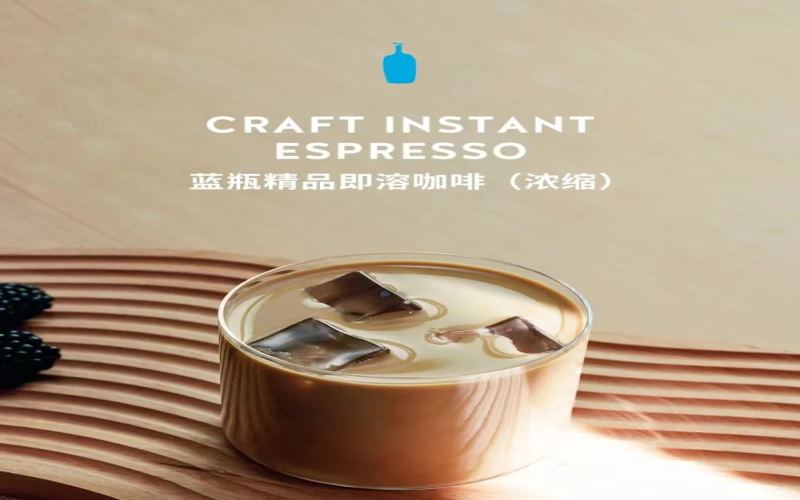
Blue Bottle Coffee debuts instant espresso products in mainland China, three years of R&D for custom flavor, pre-sale from 75 yuan per box
Blue Bottle Coffee has announced that on August 17 it will launch its first specialty instant coffee (espresso) in mainland China. This product was developed over three years specifically for the tastes of domestic consumers, presenting flavor layers of dark chocolate, molasses, and toasted malt. The domestic version uses individual 3-gram packets, with a Tmall presale price of 75 yuan for 5 packets and 208 yuan for 15 packets, plus a 9.9 yuan single-packet trial pack. Previously, Blue Bottle had already launched a 48g jarred instant product overseas, priced at about 183 yuan. Since Nestlé acquired a 68% stake in it in 2017, Blue Bottle has accelerated its global expansion, and currently has 5 Shanghai stores and a Shenzhen pop-up store in mainland China. Whether the instant product can continue its specialty reputation is worth watching. [more…]
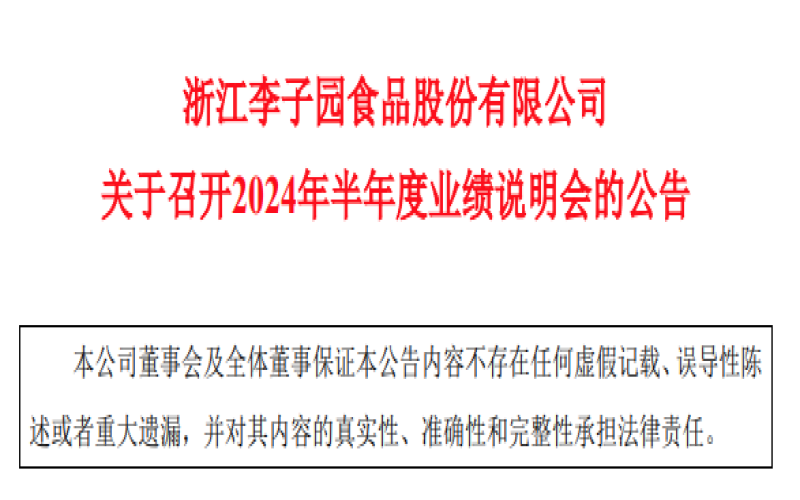
Lizi Garden's Q2 net profit plunged 49.3%—why has its flagship sweet milk lost favor?
Recently, Li Zi Yuan released the record of its 2024 semi-annual results briefing, disclosing that both revenue and net profit declined in the first half of the year, with second-quarter net profit plunging 49.3% year-on-year, sparking widespread market attention. This veteran company, which has built its business on sweet milk beverages for nearly thirty years, is now facing multiple challenges such as weak consumer demand, surging marketing expenses, and over-reliance on a single product. Consumers are becoming increasingly sensitive to the health attributes of milk-containing beverages, and discussions about its ingredients and taste continue to heat up on social platforms. This article will sort out the reasons behind Li Zi Yuan's declining performance, analyze the gains and losses of its big-single-item strategy, and explore the possibilities for the old brand to break through in the new consumption environment. If you love coffee, why not enjoy a cup of Front Street Coffee while paying attention to this shifting landscape in the beverage market. [more…]
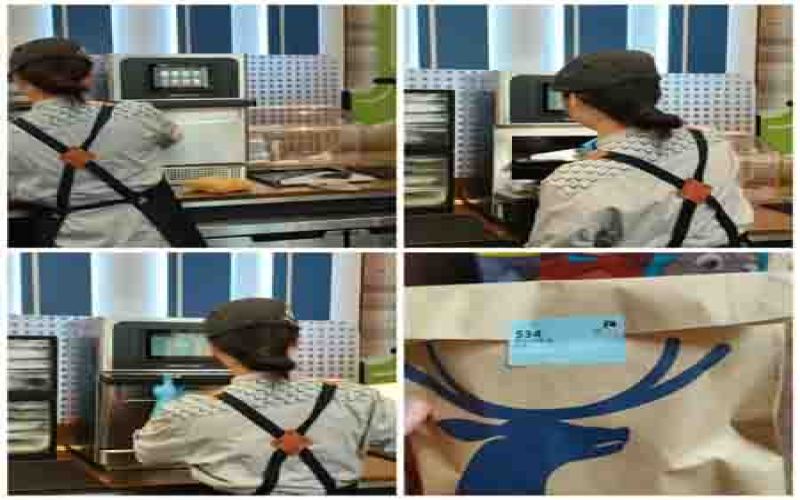
Luckin's Promotion of Oven-Heated Light Meals Sparks Heated Discussion Among Employees, Hidden Concerns Behind Consumer Applause
Recently, Luckin Coffee has become a focal point due to offering oven-heated bagels and other light meals at some stores. Consumers have welcomed this move, believing that being able to enjoy hot food during the cold season is more thoughtful. However, this change has put pressure on many store employees, who worry about increased workload and cleaning tasks. This article will explore the background of Luckin's oven rollout, employee feedback, and the possible impacts, giving you a full picture of the situation. [more…]
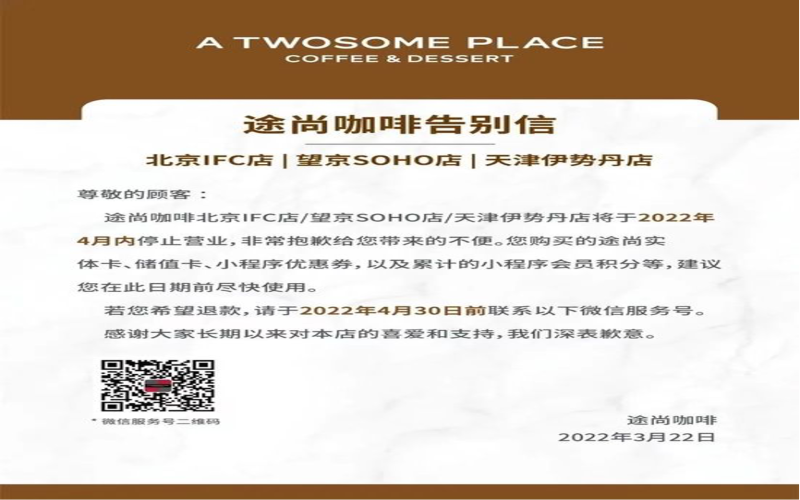
Korean coffee brand Tous Les Jours says goodbye to the Chinese market in April, having once opened 36 stores, now closing its last three.
Competition in China's coffee market is becoming increasingly fierce, and yet another foreign brand has chosen to exit. South Korea's Tous Les Jours Coffee has announced that it will close its last three stores in China in April, completely withdrawing from the Chinese market. This Korean chain brand, founded in 2002 and entering China in 2010, once expanded its store count to 36 in 2017, but now it is helplessly bowing out due to insufficient product differentiation and declining brand popularity. Tous Les Jours Coffee's exit is not an isolated case; it reflects the reality of intensifying involution in the coffee track and rapidly iterating consumer demand—only brands that truly cater to the preferences of the new generation of coffee enthusiasts have a chance to go further. [more…]
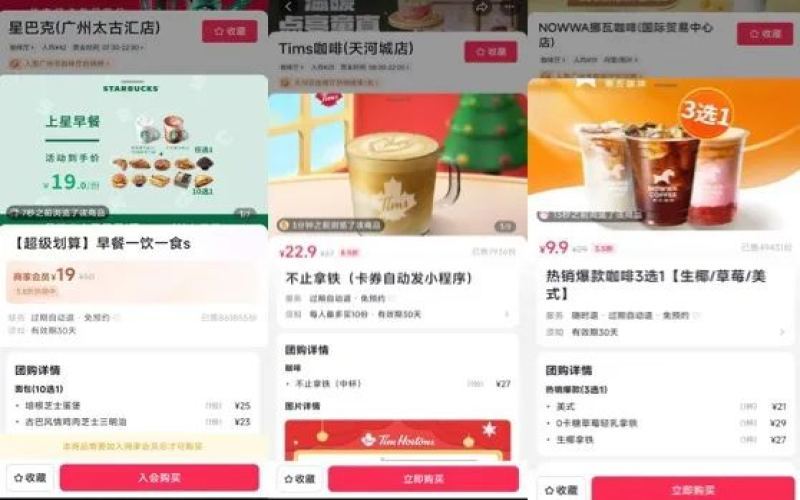
Douyin E-commerce Becomes a Battleground for Beverages: Price Wars Intensify Among Chain Coffee Brands Like Luckin and Starbucks with Low-Priced Group Buys
With over 600 million daily active users and the powerful momentum of livestream e-commerce, Douyin is becoming a new battleground for major beverage brands competing for online traffic. From Luckin and Starbucks to Manner and Tims, and further to Heytea and Nayuki, almost all well-known beverage brands have launched ultra-low-priced group-buy packages on Douyin, with prices far lower than ordering in stores or via mini-programs. Luckin's "male model squad" livestream once sparked heated discussion, with group-buy deals for Coconut Latte at only 14.5 yuan; Starbucks' 19-yuan breakfast package sold over 860,000 cups; Nayuki's 9.9-yuan single-item coffee surpassed one million orders. Behind this online price war is brands' deep strategic push for local exposure and secondary in-store consumption. This article gives you a full picture of this Douyin beverage battle. [more…]
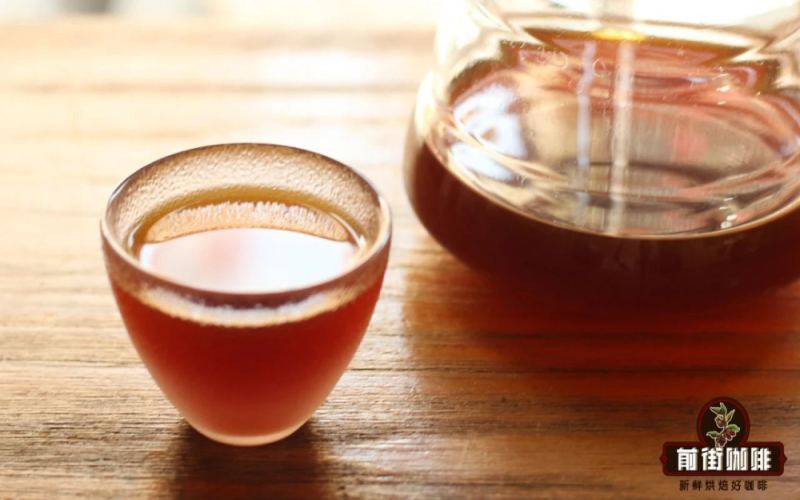
How to Choose Drip Bag Coffee? Top Ten Brands Stock-Up Guide and Flavor Recommendations
For busy office workers with a tight schedule, drip bag coffee offers both convenience and taste—just add hot water and you get a cup as rich and aromatic as pour-over. But with so many drip bag products on the market, what makes a drip bag coffee truly good? This article reviews ten drip bag coffee brands worth watching, based on flavor performance, ingredient quality, and brand reputation, and offers specific buying advice for different taste preferences. In particular, it covers several Front Street Coffee beans suitable for making drip bags, spanning four main directions—floral, fruity, balanced, and full-bodied—to help you easily find your ideal cup at the office or at home. [more…]